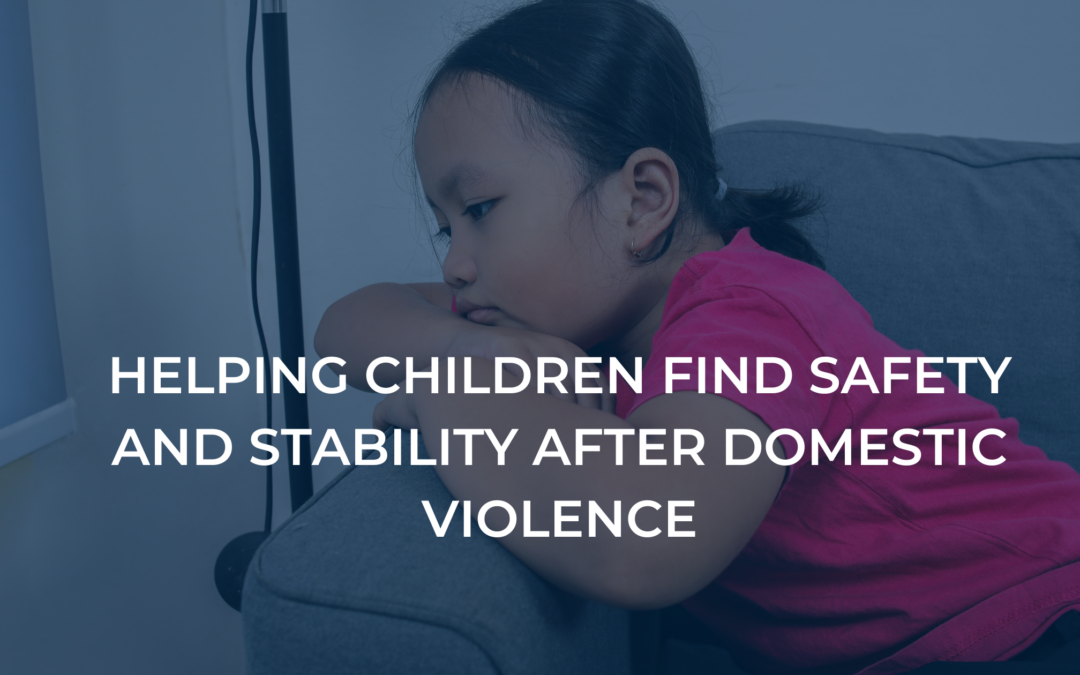
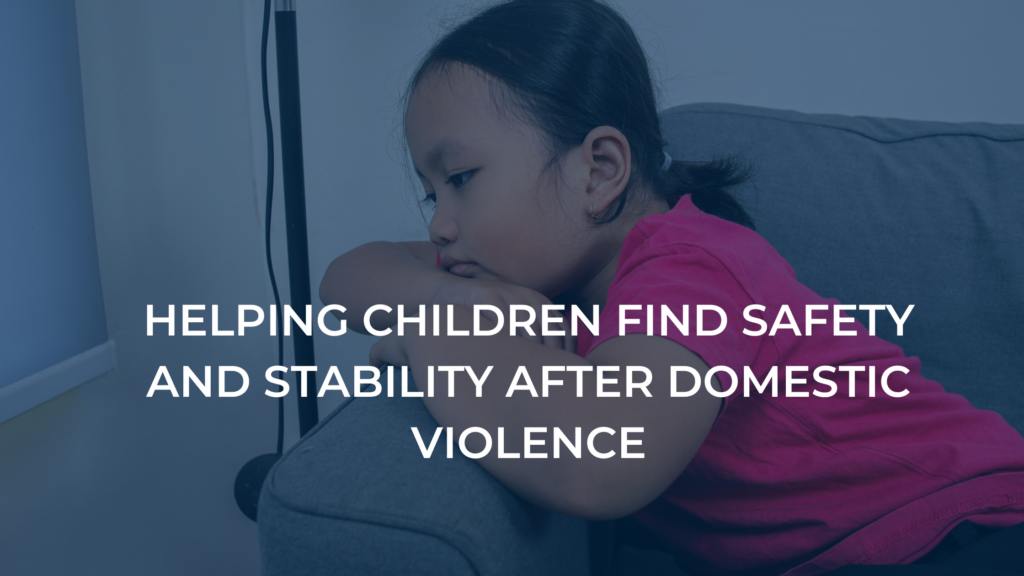
Beyond Awareness: Helping Children Find Safety and Stability After Domestic Violence
October is Domestic Violence Awareness Month, and while raising awareness is an important first step, understanding how to support children affected by domestic violence is just as important.
In Part One of our series, we explored how domestic violence can affect children, even when they are not directly involved in or physically harmed during an incident. We discussed how these experiences can influence a child's emotions, behavior, relationships, and sense of safety.
But what happens next?
For children who have experienced domestic violence, feeling safe again may take time. And while every child's experience is different, having caring, consistent adults in their lives can make a meaningful difference.
The Importance of Stability
For a child who has experienced domestic violence, everyday routines may not feel so ordinary.
Something as simple as knowing where they will sleep, who will pick them up from school, or what tomorrow will look like can provide a sense of comfort during an uncertain time.
When a child's home life has been unpredictable, consistency can help rebuild a sense of security.
That doesn't mean every challenge disappears once a child is in a safer environment. Children may continue to experience fear, confusion, or uncertainty long after an immediate situation has changed.
But having dependable adults, familiar routines, and opportunities to feel heard can help children begin to regain a sense of stability.
And sometimes, the smallest moments of consistency can make the biggest difference.
The Power of a Caring Adult
Children don't always need someone to have all the answers. Sometimes, they simply need someone who is willing to listen.
An adult who notices when something seems different. Someone who takes their concerns seriously. Someone who follows through on what they say they will do.
These relationships matter.
For children who have experienced domestic violence, trusting others may not always come easily. They may hesitate to share their feelings, struggle to express what they need, or worry about what could happen if they speak up.
Building trust takes time, patience, and consistency.
Adults can help by creating opportunities for children to express themselves without pressure, acknowledging their feelings, and reminding them through their actions that they matter.
Because supporting a child isn't always about knowing exactly what to say.
Sometimes, it's about continuing to show up.
Looking Beyond the Immediate Situation
When domestic violence affects a family, there are often many factors to consider beyond the violence itself.
A child may be adjusting to a new living arrangement, navigating changes in family relationships, or trying to maintain a sense of normalcy at school. They may also be processing complicated emotions about the people they love.
These experiences don't happen in isolation.
A child's safety, emotional wellbeing, education, relationships, and daily needs are all connected.
That is why understanding the full picture is so important.
Rather than focusing only on one incident or circumstance, adults involved in a child's life can consider how different experiences may be affecting their overall wellbeing.
And for children involved in the court system, having someone dedicated to understanding those needs can be especially valuable.
How CASA Advocates Help Children Feel Heard
At Henrico CASA, our Court Appointed Special Advocates play an important role in ensuring that children who have experienced abuse or neglect have someone advocating for their best interests.
Our trained volunteer Advocates take the time to get to know the children they serve, understand their circumstances, and identify needs that may otherwise go unnoticed.
They communicate with caregivers, educators, service providers, and other individuals involved in a child's life to gather information that helps the court make informed decisions.
For a child whose life has been shaped by domestic violence or other difficult experiences, this means having someone who is paying attention to more than just what appears in a court document.
Someone who wants to understand how they are doing in school, whether their needs are being met, what relationships are important to them, and what may help them move toward greater safety and stability.
While CASA Advocates cannot erase what a child has experienced, they can help ensure that the child's needs, experiences, and best interests remain at the center of decisions about their future.
Every Child Deserves to Feel Safe
Domestic Violence Awareness Month reminds us that the effects of violence can extend far beyond a single incident.
For children, those effects may influence how they view the world, how they build relationships, and how safe they feel in their everyday lives.
But their experiences do not have to define their future.
With supportive relationships, appropriate resources, and adults who are willing to listen and advocate for their needs, children can have opportunities to heal, grow, and thrive.
At Henrico CASA, we believe every child deserves to be seen, heard, and supported.
Because awareness helps us recognize the challenges children may face. But compassion, consistency, and advocacy help us respond.
Interested in making a difference for children in our community? Learn more about becoming a Henrico CASA Advocate.