Summer CASA College Series: Judicial Perspective on CASA Reports
At Henrico CASA, we believe learning doesn't stop after pre-service training. That's why we're excited to launch our Summer CASA College Series, highlighting valuable continuing education opportunities available to CASA Advocates across Virginia.
CASA College is Virginia CASA's statewide training hub, designed for every Advocate across the Commonwealth. Its purpose is simple: to help Advocates feel knowledgeable, prepared, and confident when speaking on behalf of the best interests of the children they serve. Through a variety of virtual training courses led by subject matter experts, CASA College provides opportunities to deepen skills, strengthen advocacy, and stay informed on topics impacting children and families.
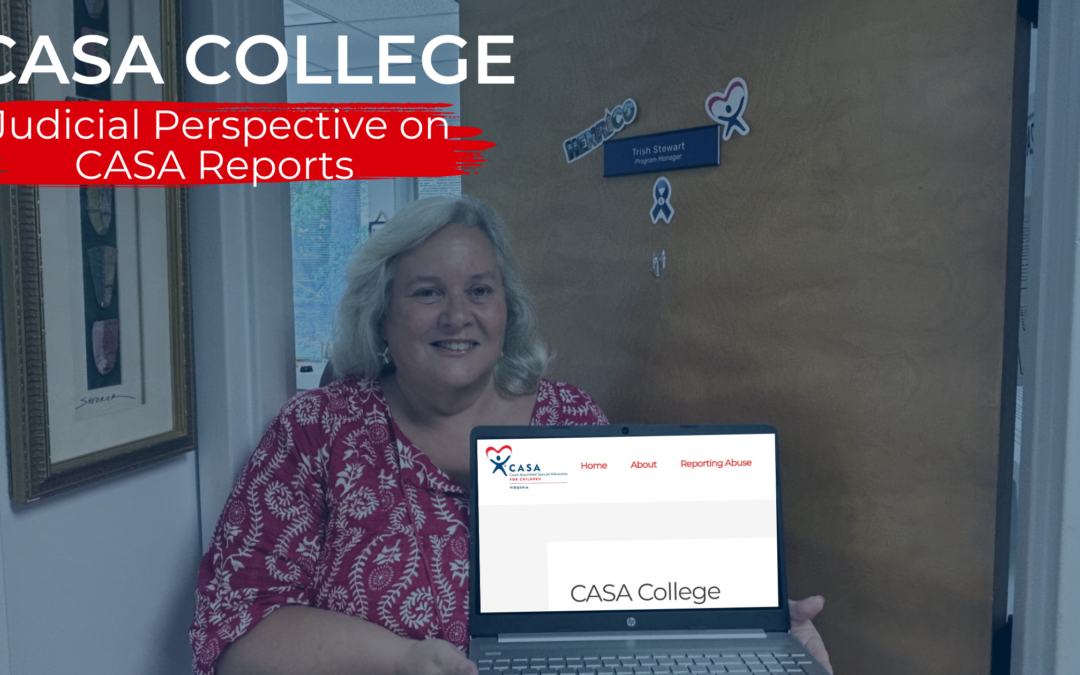
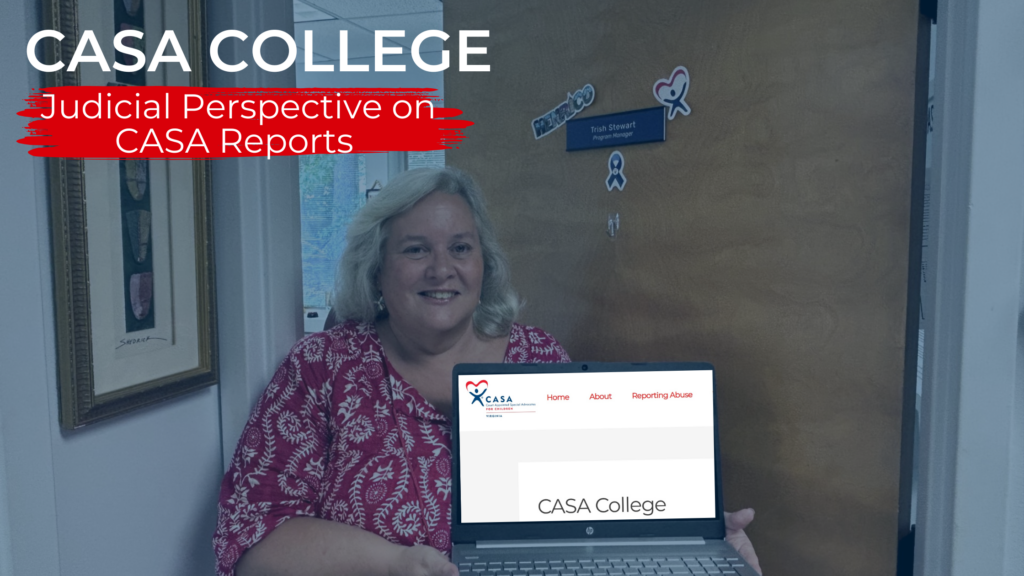
This week, Henrico CASA Program Manager, Trish Stewart shares reflections from Judicial Perspective on CASA Reports[SH2] [PS3] , a CASA College training presented by Judge Thomas P. Sotelo of Virginia's 19th Judicial District Juvenile and Domestic Relations District Court. (If you cannot access, please reach out to your CASA supervisor for the password)
One of the most important responsibilities of a CASA Advocate is providing the court with clear, objective, and well-informed recommendations on behalf of the children they serve. While Advocates spend considerable time gathering information and preparing reports, it can be helpful to hear directly from the people who rely on those reports most: the judges.
In Judicial Perspective on CASA Reports, Judge Thomas P. Sotelo offered valuable insight into how judges view CASA reports and what information they find most helpful when making decisions that affect children and families. Prior to the presentation, Judge Sotelo sought feedback from juvenile court judges across Virginia, providing participants with perspectives from courts throughout the Commonwealth.
Reminders For Every Advocate
One of the most impactful messages from the training was Judge Sotelo's reminder that CASA Advocates are both important and indispensable. He encouraged participants to think about the unique lens through which CASA Advocates view a case and the critical role they play in helping the court understand a child's circumstances and needs.
Judge Sotelo also discussed the distinct role of CASA Advocates within the child welfare system. Unlike many other individuals involved in a case, CASA Advocates maintain an undivided focus on the child's best interests. Combined with the consistency they provide throughout the life of a case, this perspective allows Advocates to offer meaningful insight that can help inform judicial decision-making.
Throughout the session, Judge Sotelo provided an in-depth explanation of the legal standards judges must consider and connected those standards to the day-to-day work of CASA Advocates. His guidance reinforced the importance of gathering comprehensive information, maintaining objectivity, and ensuring recommendations are supported by the facts of the case.
Another interesting takeaway was learning more about how judges use CASA reports. While a CASA report is not considered evidence, Judge Sotelo explained that it is often one of the first documents reviewed before a hearing. Reports provide valuable context about where a case has been, where it currently stands, and what progress or concerns may need the court's attention.
Continuing Learning
Whether you're newly sworn in or have been advocating for years, this training offers valuable insight into the role CASA reports play in the court process. It reinforces the importance of clear, objective reporting while providing a unique opportunity to hear directly from a judge about what information is most helpful when making decisions in a child's best interests.
As Program Manager, the presentation also reminded me of the thoughtful process we use at Henrico CASA to ensure the quality of every report submitted to the court. Reports move through multiple levels of review, beginning with the Advocate's investigation and draft, followed by collaborative editing with their Coordinator, and concluding with a final review before submission. This process helps ensure reports are thorough, accurate, and focused on the information judges find most valuable.
We are incredibly proud of the quality of the reports produced by our Advocates, and we are grateful that judges consistently recognize and praise this work. Training courses like this one reinforce the importance of strong court reporting and remind us that every report has the potential to make a meaningful difference in a child's life!