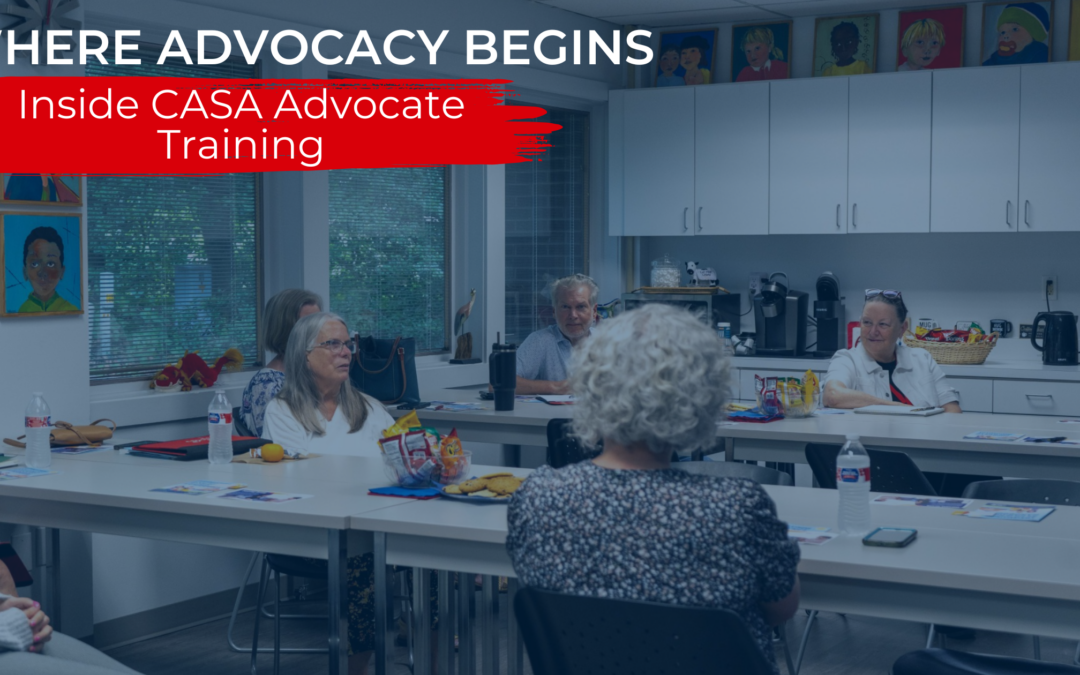
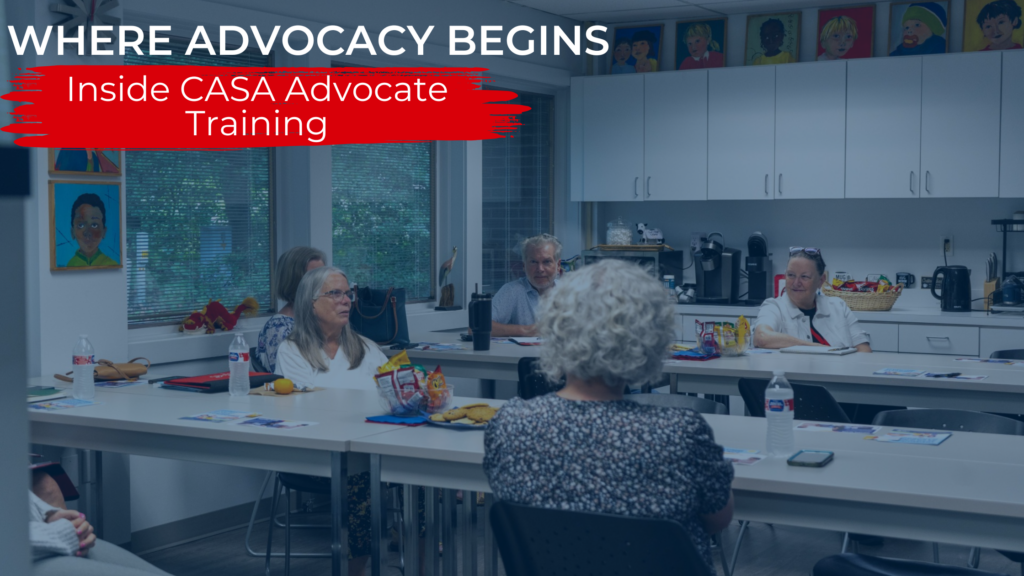
As a new Henrico CASA pre-service training class gets underway this week, September is the perfect time to take a closer look at what CASA training looks like and what it means for the Advocates who complete it. Becoming a CASA Advocate starts with training, but the learning doesn't stop there. From the first training session to the first visit with a child and throughout an Advocate's time with CASA, each experience builds the knowledge, skills, and confidence needed to provide meaningful advocacy.
More Than a Training Requirement
CASA pre-service training gives future Advocates the foundation they need to step into their role. They learn about the child welfare and court systems, the experiences of children and families involved in these systems, and the responsibilities that come with being a CASA Advocate.
But training isn't simply about checking a box or completing a required number of hours. It's an opportunity to ask questions, learn from others, and begin thinking about what it means to advocate for a child.
Every child comes to CASA with their own experiences, relationships, strengths, and needs. Training helps Advocates understand how to look beyond the immediate circumstances of a case and consider the whole picture.
Advocates explore topics that may affect the children they serve, including family dynamics, education, mental health, child development, and placement. They also learn about the many people who may be involved in a child's life and how those relationships can influence a child's experience.
Building Skills for Advocacy
A large part of CASA training is learning how to put information into action.
Future Advocates learn how to communicate with children and adults, gather information from a variety of sources, document their observations, and identify questions or concerns that may need further attention.
They also learn how to bring what they discover back to the court in a way that helps ensure a child's needs and best interests are considered.
Completing pre-service training marks an important milestone, but it isn't the end of an Advocate's learning. Continuing education opportunities allow Advocates to build on their training, strengthen their skills, and explore topics that may arise in their individual cases.
Learning Continues Beyond Training
Advocates don't have to know everything when they begin and they're never expected to navigate their role alone. CASA staff are available to provide guidance, answer questions, and help Advocates work through the situations they encounter.
Over time, each case brings new opportunities to learn. An Advocate may encounter a school-related concern, a placement change, a new service recommendation, or a question about a child's needs. These experiences become part of the ongoing learning that comes with serving as a CASA Advocate.
A Journey That Starts With Training
For our newest class, the weeks ahead will be filled with learning, discussion, questions, and preparation. They'll leave training with a better understanding of the Advocate role and a foundation they can continue building throughout their CASA journey.
As we welcome a new group of future Advocates this September, we're excited to spend the month highlighting the many ways Henrico CASA training prepares community members to stand up for children—and how that learning continues long after the final training session.